Tire load index: what do the numbers mean?
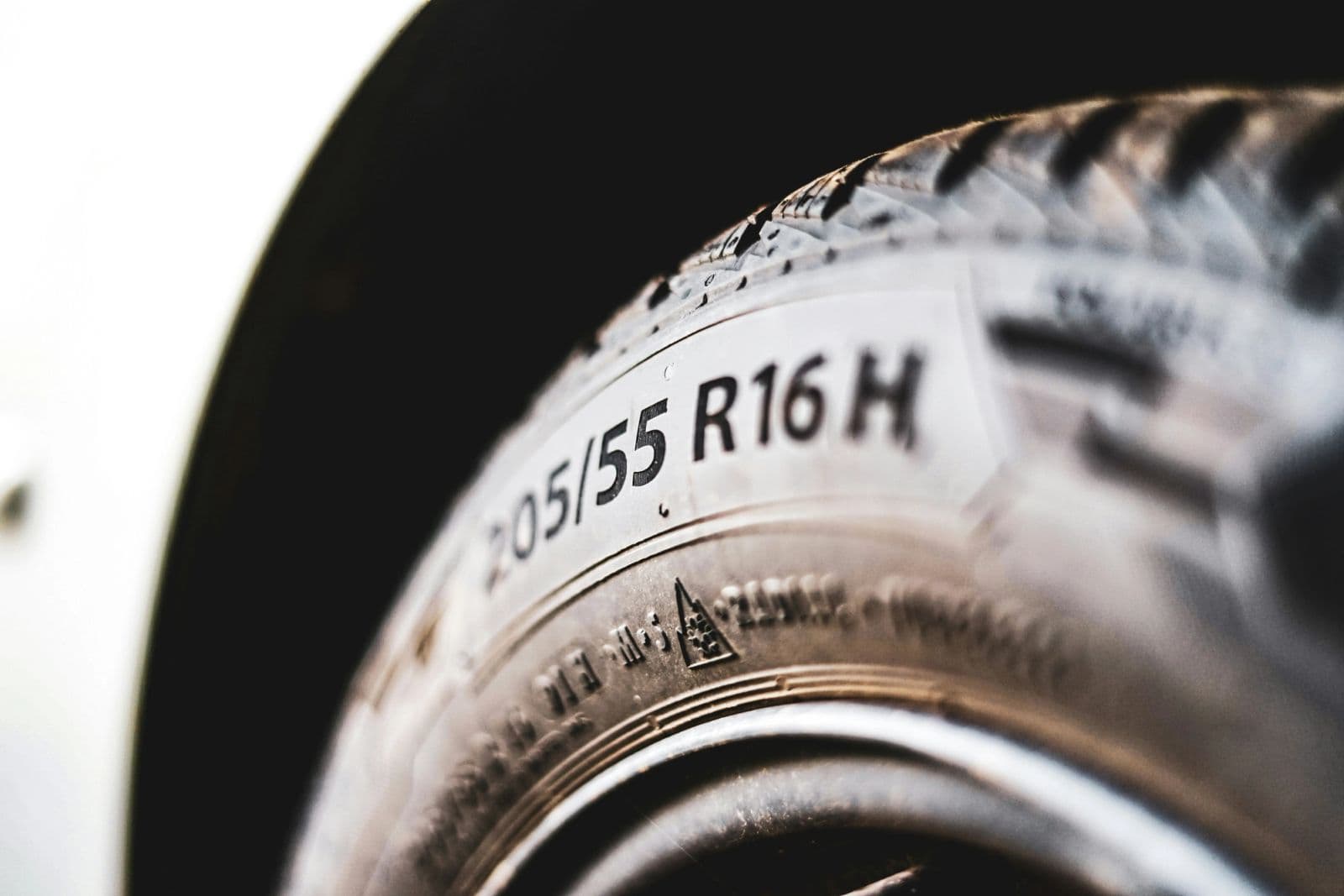
The load index is a number that shows the maximum weight a single tire can carry. You'll find it at the end of the size code on the sidewall, just before the speed rating letter. In 205/55 R16 91V, for example, the load index is 91, which means the tire is rated for 615 kg.
Load index chart
The higher the number, the more weight the tire can carry. Passenger cars most often use load indexes between 82 and 100.
| Load index | Maximum load (kg) |
|---|---|
| 60 | 250 |
| 61 | 257 |
| 62 | 265 |
| 63 | 272 |
| 64 | 280 |
| 65 | 290 |
| 66 | 300 |
| 67 | 307 |
| 68 | 315 |
| 69 | 325 |
| 70 | 335 |
| 71 | 345 |
| 72 | 355 |
| 73 | 365 |
| 74 | 375 |
| 75 | 387 |
| 76 | 400 |
| 77 | 412 |
| 78 | 425 |
| 79 | 437 |
| 80 | 450 |
| 81 | 462 |
| 82 | 475 |
| 83 | 487 |
| 84 | 500 |
| 85 | 515 |
| 86 | 530 |
| 87 | 545 |
| 88 | 560 |
| 89 | 580 |
| 90 | 600 |
| 91 | 615 |
| 92 | 630 |
| Load index | Maximum load (kg) |
|---|---|
| 93 | 650 |
| 94 | 670 |
| 95 | 690 |
| 96 | 710 |
| 97 | 730 |
| 98 | 750 |
| 99 | 775 |
| 100 | 800 |
| 101 | 825 |
| 102 | 850 |
| 103 | 875 |
| 104 | 900 |
| 105 | 925 |
| 106 | 950 |
| 107 | 975 |
| 108 | 1000 |
| 109 | 1030 |
| 110 | 1060 |
| 111 | 1090 |
| 112 | 1120 |
| 113 | 1150 |
| 114 | 1180 |
| 115 | 1215 |
| 116 | 1250 |
| 117 | 1285 |
| 118 | 1320 |
| 119 | 1360 |
| 120 | 1400 |
| 121 | 1450 |
| 122 | 1500 |
| 123 | 1550 |
| 124 | 1600 |
| 125 | 1650 |
How do you choose the right index for your car?
The figure in the chart is for one tire. The surest choice is the index your car's manufacturer recommends. If you want to check it yourself, work it out per axle: weight isn't split evenly between the axles, so comparing the combined load capacity of all four tires with the car's overall weight isn't enough. Each tire must carry at least half of its axle's maximum permitted load. For example, if the axle load is 1200 kg, each tire needs to carry at least 600 kg, which means a load index of at least 90. Axle loads are listed on the factory placard by the driver's door.
- You'll find the recommended index on the placard by the driver's door or in the owner's manual. Don't fit tires with a lower index.
- A higher index is no problem. Such tires usually ride a little firmer, but there's no safety concern.
XLorReinforcedmarks a reinforced tire. It carries more weight than a standard tire of the same size.- A
Cafter the size, as in185R14C, marks a tire designed for trucks and vans.
Read the load index together with the speed rating
In the 91V part of the size code, 91 is the load index and V is the speed rating. You'll find what the letters mean in the speed rating chart. We explain the rest of the size code in our guide to reading tire sizes, and for every other marking, see our guide to tire sidewall markings.
If you know your size, compare prices for tires in that size on the tire search page. If you don't, use our vehicle search to find the factory-recommended tire sizes for your make and model.
More articles
Tire speed rating: what do the letters mean?
Letters like T, H and V on a tire are its speed rating. Our chart shows the maximum speed for each letter and explains how to choose the right rating.
How to read a tire size: what does 205/55 R16 mean?
We explain every number in a tire size in plain words: width, aspect ratio and rim diameter. We also show where to find the size for your car.
Tire sidewall markings: how to read them
From 175/70 R13 82T to the DOT code, we explain every marking on a tire sidewall: size, load and speed ratings, TUBELESS, M+S and more.