7 most common mistakes drivers make when changing a tire
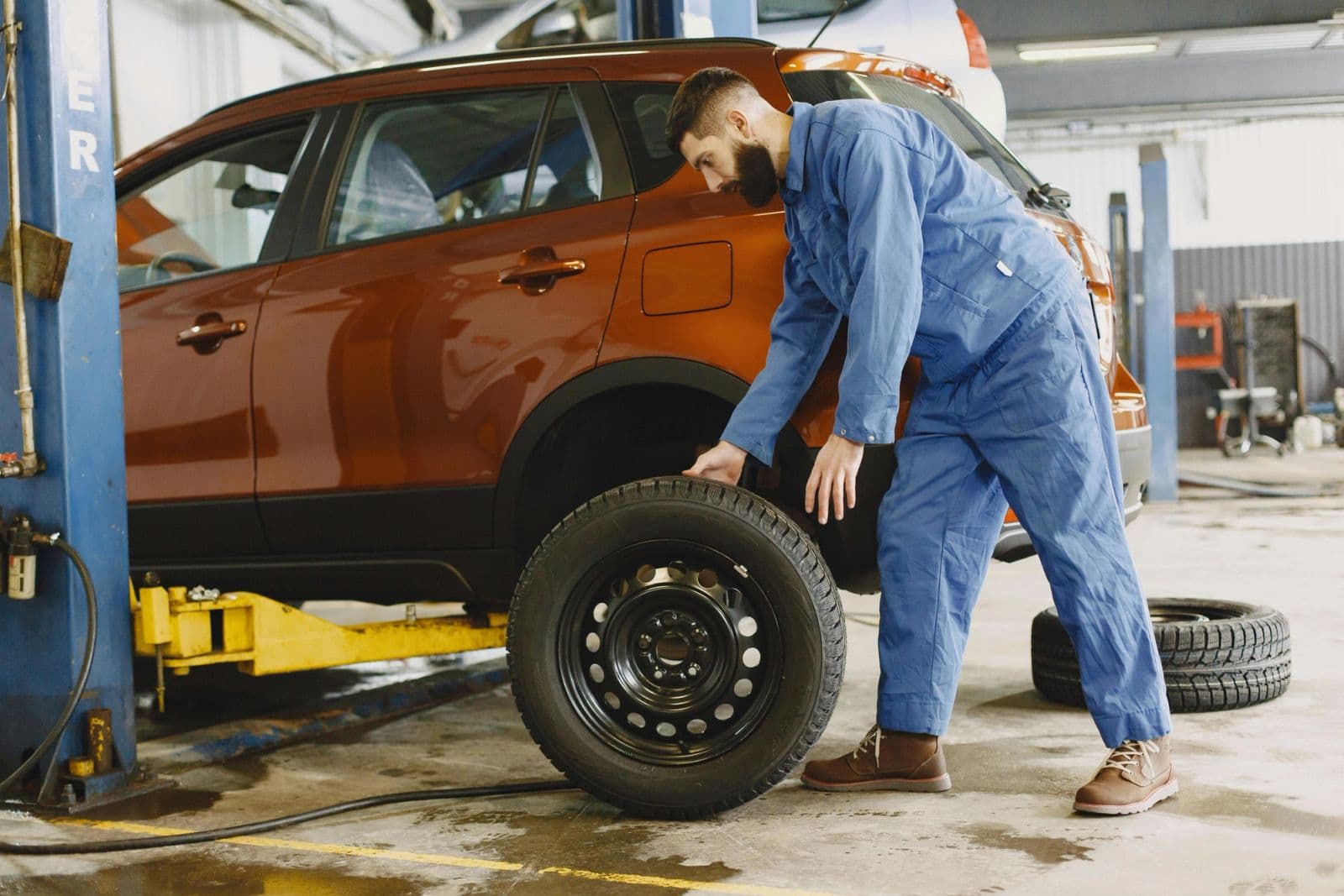
Many car owners have thought this at least once: “How hard can it be? Five bolts and you're done.” But changing a tire means dealing with weight, physics, safety and mounting details. Even experienced drivers can make mistakes that damage tires and rims or lead to dangerous situations on the road.
In this article we cover the most common mistakes people make when changing a tire themselves and how to avoid them. We'll also explain when it makes more sense to stop and leave the job to a professional.
Mistake 1: putting the jack just anywhere
One of the most common and dangerous mistakes is placing the jack in the wrong spot. Many drivers simply put it under the rocker panel or at the back without looking for the designated jack points. On top of that, they don't chock the wheels. The result can be a damaged rocker panel, rim or brake lines, and if the jack slips, a serious injury.
How to do it right
Find the reinforced jack points shown in the owner's manual and visibly marked on the body. Put a solid base under the jack, especially on soft ground. Always chock the wheels. If you're not sure the jack is stable, don't take the risk; call a professional.
Mistake 2: loosening the bolts after lifting the car
Some drivers lift the car first and then try to loosen the bolts. The wheel starts to spin, especially on front-wheel-drive cars. As a result:
- The bolts are harder to loosen.
- Trying to hold the wheel with your foot can damage the threads.
- The risk of the tool slipping and injuring you goes up.
How to do it right
Before you use the jack, while the car is still on the ground and the wheels are chocked, loosen the bolts half a turn. Only then lift the car.
Mistake 3: tightening the bolts in a circle
Many people tighten the bolts in order around the circle. But that seats the rim unevenly and leaves the wheel off center. This can lead to:
- steering wheel shake while driving,
- faster tire wear,
- damage to the suspension and bearings.
How to do it right
Tighten the bolts evenly in a star pattern (for example, 1-3-5-2-4). Tighten each one gradually, a little at a time.
Mistake 4: overtightening or undertightening the bolts
“The tighter, the better” is the wrong approach. Overtightening can damage the threads or the hub, snap the bolts and warp the brake rotor. Loose bolts are dangerous too: the wheel can come loose while you drive.
How to do it right
Use a torque wrench and tighten to the torque the manufacturer specifies. If you don't have one, tighten the bolts as evenly as you can and check them again after 50-100 km.
Mistake 5: not checking the pressure and tread
When changing a tire, some drivers don't check the pressure or the condition of the tread. Both affect handling, braking distance and fuel consumption. The spare may not be fit to use:
- The pressure is below spec.
- The sidewall shows damage or signs of stress.
- The wear has reached a critical level.
- The tread is worn unevenly.
How to do it right
Check the pressure and make sure it's right for your car (the spec is on the fuel filler door or the driver's door). Tread depth should be at least 1.6 mm, and at least 4 mm for winter tires. If you use directional tires, make sure they're mounted the right way.
Mistake 6: skipping safety precautions
Tires are often changed on the side of the road. In that situation, staying safe matters more than the tire itself. Unfortunately, many drivers:
- Don't put out a warning sign.
- Don't turn on their hazard lights.
- Work too close to traffic.
- Work without gloves and in flimsy shoes.
- Don't wear a reflective vest at night.
- Leave the car on the jack unattended.
That leads to injuries and danger on the road.
How to do it right
Turn on your hazard lights. Place a warning triangle 15 m away in town and 30 m away outside town. Wear gloves and shoes with a hard toe, and use a reflective vest at night. Stand on the safe side, away from traffic. Put a chock under a wheel so the car can't roll.
Mistake 7: mixing tires on the same axle
When replacing a damaged tire, some drivers only check that the size matches. But a different tread pattern or a large difference in wear can mean unequal grip on the same axle. This can affect braking and stability, especially on wet roads.
How to do it right
Choose tires of the same brand, model and size for each axle, with similar tread depth. Follow the vehicle manufacturer's requirements, especially on all-wheel-drive cars. If you need to fit a temporary spare, stay within the limits in the owner's manual.
So should you change a tire yourself?
If you have the tools and experience, yes. But if you have doubts or lack the right equipment, don't take the risk. A shop does the job more safely, with balancing and proper tightening.
More articles

Tire sidewall markings: how to read them
From 175/70 R13 82T to the DOT code, we explain every marking on a tire sidewall: size, load and speed ratings, TUBELESS, M+S and more.
Wheel balancing: what it is and how it's done
If your steering wheel shakes, unbalanced wheels may be the cause. We explain why balancing matters, the warning signs and how a shop does it.
When should you replace your tires?
Tread depth, uneven wear, cracks: we explain the signs that your tires need replacing and what matters when you choose new ones.